Ramadan Diet Plan for Healthy Weight Loss—What to Eat in Sehri & Iftar
As Ramadan approaches, Muslims begin the spiritual practice of fasting from dawn (suhoor) to sunset (Iftar). The sunrise-to-sunset fast will last 12 to 16 hours, depending on your location and the time of year. Fasting is a spiritual practice, but it can also provide an opportunity to reflect on your current lifestyle and make positive changes to your nutrition habits and weight management.
If you want to lose weight safely and healthily during the Ramadan fast, you should follow an effective and well-organized Ramadan diet plan for healthy weight loss.
Suhoor (Morning Meal): A Strong and Smart Start to Healthy Weight Loss
The early morning meal of Sehri (sehri) is the "fuel" you give your body for the day. Many people consume too much caffeine, bread, and sweets, which may provide a temporary boost of energy, but these foods are digested very quickly, which can lead to immediate fatigue.
What Should Be Eaten at Sehri?
• Complex Carbohydrates—Whole-grain bread, brown rice, quinoa, and oats are great examples of complex carbs, which break down slowly in your body to provide a sustainable source of energy.
• Lean Protein—Consider including eggs, Greek yoghurt, low-fat cottage cheese, or tofu in your meal to help protect your muscles and keep you feeling full throughout the day.
• Healthy Fats—Include healthful fats such as almonds, walnuts, and chia seeds to help eliminate hunger pangs.
• Fruits & Vegetables that are high in Fibre—Suitable options would be papaya, apples, and cucumbers, which assist in keeping your digestive system at ease.
• Hydration—Drink 1–2 glasses of water, and if desired, drink buttermilk or coconut water.
Sehri time reminder
Try to finish your Sehri meal at least 30 to 45 minutes before Iftar, so your body can properly digest the food and replenish fluids lost during fasting.
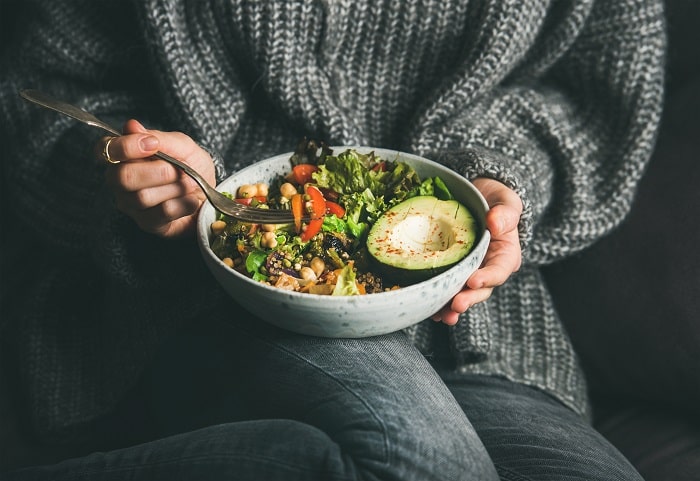
Example of a healthy Sehri plate:
• Oatmeal and boiled eggs
• 1 Apple or Papaya
• 5-6 Nuts and a glass of water
This combination is low in calories and nutrient-dense—ideal for a healthy Ramadan diet plan for weight loss.
Smart Iftar Strategy – Break the Fast Without Overeating
Traditional Iftar foods are dates and sweet beverages. If these are not eaten in moderation, they may increase calorie intake, leading to weight gain.
Step-by-Step Iftar Plan
• Break your fast with 2-3 dates + 1 glass of water.
• Vegetable/lentil soup—Hydration and nutrition boost from the soup
• 10-15 min break (Maghrib prayer)—gives you time to regain control over eating.
• Balanced main meal—Portion plate structure:
• Half a plate of vegetables
• Quarter plate lean protein
• Quarter plate complex carbohydrates (brown rice/roti)
Smart Swaps
• Fried samosa → Baked samosa
• Sugary drink → Lemon water/coconut water
• Cream-rich desserts → Fruit chaat
These swaps will put your plan into fat-burning mode—which is essential. There is weight loss during Ramzan.
Hydration Mastery for Faster Weight Loss—Expert Advice from Dietitian Ashu Gupta
Hydration is an underestimated factor, but it directly controls metabolism and hunger signals. During fasting, hydration levels decrease, which can increase cravings and overeating.
Here is a hydration plan that can be followed during Ramadan (from Iftar to Sehri):
Make hydrating a part of your routine:
• 1 glass of water right before Iftar (with dates)
• 1 glass after dinner
• 1 glass after 1-2 hrs
• 1 glass before bedtime
• 1 glass upon waking up
• 1 glass by the end of Sehri
Your goal between Iftar and Sehri is to drink at least 2.5-3 litres of fluids.
If you are active or it is hot outside, you will likely want to drink more than the recommendations above.
Best Hydration Choices During Ramadan
Water can be boring. Mix it up to keep your body hydrated and balanced:
• Coconut water for electrolytes
• Lemon water for vitamin C and a gentle detox
• Buttermilk for digestion
• Herbal tea (no sugar)
• Infused water with mint, cucumber, and basil
These are great ways to keep your electrolytes balanced, which is super important when fasting.
What to Avoid
• Sugary juices
• Bottled fruit drinks
• Cola or soda
• Excess tea/coffee
Both caffeine and sugar cause dehydration and insulin resistance, which increases fat storage. If you want the best Ramadan diet plan for healthy weight loss, cut back on these drinks.
How Hydration Boosts Fat Loss
• Staying hydrated keeps your metabolism on track.
• Drinking water helps control your appetite.
• Digestion is smoother
• Bloating goes away
• Energy levels remain stable.
Dehydration can slow down calorie burning, and when fasting during Ramadan, staying hydrated is even more crucial.
Practical Tips from Dietician Ashu Gupta
• Always have a water bottle with you and drink it slowly.
• Avoid drinking too much water at once; it may lead to stomach discomfort.
• Avoid excessive salt in Sehri; it may increase thirst.
• Opt for lower-salt alternatives after Iftar instead of fried and salty snacks.
Staying hydrated helps you avoid fatigue, headaches, and muscle spasms while fasting.
If you want more specific advice on hydration and weight loss, consult an expert. Dietitian Ashu Gupta offers Ramadan diet plans that specifically address hydration, calorie intake, and metabolism to support healthy weight loss without weakness.
Hydrating smart in Ramadan = more energy, more fat loss, and overall health.
Portion Control—The Hidden Secret to Fat Loss
Calorie deficit is the main component for weight loss. This does not happen by starving yourself or by severely limiting your food intake; rather, it is achieved by being aware of your portions.
Here are some portion-sizing tips to help you:
• 1 fist-sized portion of protein
• 1 cupped hand of carbs
• 2 cupped hands of vegetables
• Use only a minimal amount of ghee or oil when cooking vegetables.
You should also eat slowly, as it takes approximately 15–20 minutes for your body to signal that you are full. If you eat quickly, the likelihood of overeating increases.
The benefits of this technique are especially useful during Ramadan, since the body typically absorbs more calories right after breaking your fast.

Weekly Ramadan Diet Chart for Healthy Weight Loss
A good Ramadan diet plan for weight loss combines the best of planning with the best of variety. Eating the same old things every day will eventually lead to boredom and increased cravings. This 7-day rotating diet plan is therefore designed to:
• provide you with balanced macronutrients
• help you keep your calorie intake under control
• provide you with adequate protein
• facilitate smooth digestion
• assist in fat burning
This table is only a general guide; your individual calorie requirements may vary.
Day 1
Sehri: Oats porridge, 1 boiled egg, 5 almonds
Iftar: Lentil soup, grilled chicken, salad, 1 small roti
Hydration: Coconut water, 2-3 glasses of water
Day 2
Sehri: Quinoa vegetable salad, Greek yoghurt
Iftar: Fish curry (less oil), small brown rice serving, stir-fried veggies
Hydration: Lemon water, plain water
Day 3
Sehri: Vegetable dalia, paneer cubes
Iftar: Moong dal soup, tofu stir-fry, cucumber salad
Hydration: Buttermilk, water
Day 4
Sehri: Smoothie (banana, chia seeds, a little peanut butter)
Iftar: Grilled fish or chicken tikka, stir-fried veggies, 1 multigrain roti
Hydration: Mint-flavoured water
Day 5
Sehri: Besan chilla (less oil), curd
Iftar: Rajma (controlled serving), small brown rice serving, salad
Hydration: Coconut water, water
Day 6
Sehri: Boiled eggs, whole-wheat toast, fruits
Iftar: Clear vegetable soup, paneer bhurji, stir-fried veggies
Hydration: Lemon water, herbal tea
Day 7
Sehri: Oats, flaxseeds, apple slices
Iftar: Chicken stew or dal, mixed veggies, 1 small roti
Hydration: Buttermilk, water
Important tips for following this weekly diet plan
• Consume no more than 1-2 dates a day.
• Fried snacks should be restricted to the weekend.
• Protein should be included in every meal.
• Salad should follow the half-plate rule.
• Total daily oil consumption should not exceed 3-4 teaspoons.
Why Weekly Rotation Works for Weight Loss
Having access to a wide range of food items will ensure:
• Micronutrient deficiencies are avoided.
• Metabolism remains active
• Cravings are controlled
• Diet adherence is strong.
At this time of the year (Ramadan), your body is already adapted to fasting. If you do eat balanced meals in portioned servings, losing fat will come easily and very quickly.
Creating a realistic Ramadan diet plan for healthy weight loss will yield sustainable, practical results. If you need a custom round Ramadan diet chart based on your weight, height, age, thyroid status, PCOS, or diabetes, it is wise to seek expert guidance.
Why Choose Dietitian Ashu Gupta's Method
At Dietician Ashu Gupta's Diet Clinic, we have one simple philosophy: you can lose weight without changing your lifestyle. Our scientifically designed, customized diet plans will help you do just that! With over 20+ years of experience, Ashu Gupta provides individualized guidance tailored specifically for you—based on:
What Makes Her Approach Different?
• Customized Diet Program
Each individual has a different caloric requirement & nutrient balance based on their unique profile. Also, during Ramadan, the diet is designed to ensure that your fasting remains comfortable while you continue to lose fat.
• Diet Program Based on Medical Condition
If you suffer from PCOS, thyroid problems, diabetes, cholesterol, or hormonal imbalances, the diet must be tailored accordingly so that fat loss is safe and controlled.
• Metabolism-based program
Not simply reducing calorie intake, but also combining foods to increase metabolism.
• Lifestyle-Friendly Diet Programs
Practical diet plans that mirror your Indian home-cooking practices do not require any specialised cooking methods.
• Continuous Monitoring and Support
Consistent results can be achieved through regular follow-ups and progress tracking.
Why This Matters During Ramadan
During Ramadan, your eating window is limited. If you do not follow proper timing, hydration, and portion control, there will be:
• Weight loss may decrease.
• Fatigue may occur
• Muscle loss will be more likely.
As a result, the Best Ramadan Diet Plan for Healthy Weight Loss was developed by experts to give you structured guidance for better health while keeping with your religious obligations.
Best for:
• Busy professionals
• Housewives
• PCOS or thyroid conditions
• Someone wanting to lose weight after pregnancy
• Anyone looking for sustainable weight loss.
Finally, diet plans are easy enough to follow to make them sustainable over time!
Summary
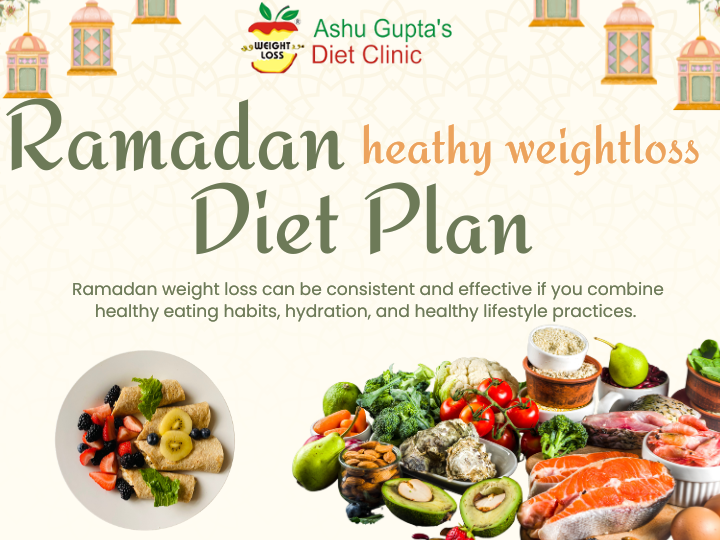
Ramadan weight loss can be consistent and effective if you combine healthy eating habits, hydration, and healthy lifestyle practices. Crash diets or fasting may help you lose weight quickly, but they are not effective and may leave you drained of energy. A healthy eating plan can help you achieve your health objectives without draining your energy.
If you are interested in a diet plan specifically for Ramadan, you can book a personal session with dietitian Ashu Gupta.
Consult Dt. Ashu Gupta for weight loss. For an appointment, you can contact us via call, WhatsApp and through the website.




.jpg)