Iodine Rich Diet: 15 Best Foods to Include in Your Daily Diet
Iodine is one of the essential minerals whose main function is to ensure healthy thyroid, metabolism regulation, and normal body growth and development. The need for iodine is due to the fact that the mineral helps in the production of thyroid hormones that control various metabolic processes like energy production, body temperature, and brain development.
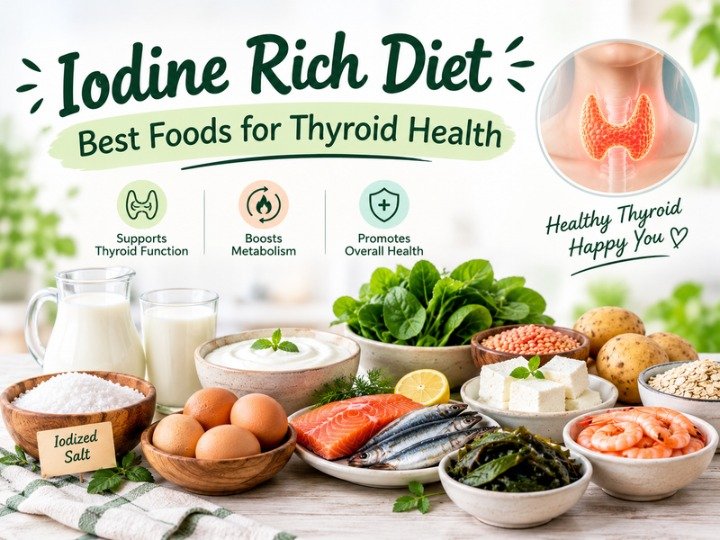
However, even knowing the significance of this mineral, many individuals fail to give any consideration to iodine consumption. Its deficiency leads to poor thyroid function and problems like goitre and hypothyroidism. The positive thing is that consuming iodine-rich foods in your daily food intake helps you fulfill your nutritional needs. Foods like iodized salt, milk, curd, eggs, fish, and seafood are some foods rich in iodine content.
In this blog, we will discuss the best foods for consuming iodine-rich foods, their nutritional benefits, daily iodine needs, foods rich in iodine, both vegetarian and non-vegetarian, iodine deficiency symptoms, and maintaining iodine levels in a natural way.
What Is Iodine and How Does the Body Need Iodine?
Iodine is a trace element that the body needs in small amounts. The body needs iodine to synthesize two hormones in the thyroid gland; thyroxine (T4) and triiodothyronine (T3).
The hormones are needed to regulate metabolism and some body functions.
Some body functions that depend on iodine include:
- Needed to synthesize thyroid hormones.
- Regulates metabolism and energy utilization.
- Necessary for proper development of the brain and nervous systems.
- Needed for the proper development of children.
- Development of a baby's brain during pregnancy.
- Maintenance of normal functioning of the thyroid gland.
Since the body is unable to manufacture iodine, it can only get it from food sources.
15 Foods With Iodine Content That You Should Consider In Your Diet
Eating different foods containing iodine may ensure that you are meeting your nutritional needs.
Below is a list of some of the good foods to consider.
1. Iodized Salt
One of the most effective dietary sources of iodine is iodized salt especially in India.
Iodine content in the salt is added during processing of the food to prevent deficiencies related to iodine.
How to consume it:
- Use iodized salt in your daily cooking.
- Check the food label when purchasing the food.
- Keep the salt in a dry place.
- Avoid overconsumption of salt.
Note that use of iodized salt does not necessarily mean eating too much salt. Be guided by your limits of salt intake.
2. Milk
Milk is a good dietary source of iodine. Milk also contains other nutrients such as calcium and protein.
Levels of iodine in milk will differ depending on animal feeding and processing of the milk.
How to consume milk:
- Drink milk in your breakfast meal.
- Mix it with your oatmeal and porridge.
- Make smoothies out of it.
3. Curd and Yogurt
Curd and yogurt may add iodine besides protein and calcium to the body.
They are easy-to-consume food items that one can have in an Indian vegetarian diet.
Consumption methods:
- Have plain curd with lunch.
- Make vegetable raita at home.
- Have plain yogurt with breakfast.
- Include curd with your meals.
Go for unsweetened options most of the time to reduce consumption of extra sugar.
4. Fish
Fish can be an excellent source of iodine; however, it varies according to the kind of fish and its source location. Besides, fish can be a good source of protein and contains omega-3 fatty acids in certain types.
Types of fish that can be eaten are:
- Cod
- Tuna
- Sardines
- Salmon
- And other marine fish
One should always go for well-cooked fish and food safety precautions, especially if pregnant.
5. Eggs
Eggs offer iodine besides proteins, vitamin B12, selenium, and other nutritional components. Amount of iodine depends upon what the chicken was fed, but eggs can help in meeting the daily intake requirement of iodine.
Methods of including eggs in diet are:
- Boiled eggs
- Vegetable omelette
- Scrambled eggs
- Egg curry
6. Shrimps and Other Seafoods
Shrimps and some other seafood choices can be a source of iodine.
They are also sources of proteins and minerals which are essential for good nutrition.
Possible sources are:
Other suitable seafood sources
It is recommended to choose fresh and well-hygienized seafood products and cook them thoroughly before consumption.
7. Cheese
Cheese is an alternative choice, as it contains different amounts of iodine and protein.
It can be consumed in moderate amounts within a balanced diet.
Ways to consume cheese:
- In sandwiches (in small amounts).
- In homemade vegetable dishes.
- With whole wheat breads.
- In homemade snacks.
8. Seaweed
Seaweeds are naturally rich sources of iodine. Some kinds are very rich and have variable levels of iodine content, so one should not overeat it because of the risk of getting too much iodine.
Some common kinds are:
Seaweeds should not be consumed in big amounts in order to get enough iodine. Especially kelp contains too much iodine.
9. Potatoes
Potatoes may contain some iodine depending on the soil that they are grown in.
Besides providing us with carbohydrates and potassium, potatoes also have many health benefits.
Healthy ways to consume potatoes:
- Boiled potatoes
- Home-cooked preparations of vegetables
- Baked potatoes
- Potato and vegetable salads
Their iodine content is inconsistent; therefore, one cannot depend on potatoes as an iodine source.
10. Lentils and Pulses
Lentils and pulses are staple vegetarian foods in India. They may contain some iodine depending on the soil and growing conditions.
In addition, lentils and pulses contain protein, fiber, iron, and folate.
Include:
- Moong dal
- Masoor dal
- Chana dal
- Rajma
- Chickpeas
Although these foods are very nutritious, the amount of iodine that they provide is inconsistent as compared to iodized salt.
11. Paneer
Paneer contains protein and calcium and may contain some iodine as it is made up of milk.
The amount of iodine depends on the milk used and the preparation.
You can include paneer in:
- Paneer bhurji
- Paneer curry prepared at home
- Paneer sandwiches
- Preparations with vegetables and paneer
12. Chicken
Chicken contains protein, vitamin B12, and several other nutrients. The iodine content in chicken is inconsistent; therefore, it should not be used.
13. Oats
Oats contain fibre, carbohydrates, and various minerals. However, their content of iodine varies based on how they were grown.
While oats make an excellent choice for breakfast, they do not rank highly as a source of iodine.
14. Green Leafy Vegetables
Leafy vegetables, such as spinach, may contain some iodine, depending on its level in the soil where they were grown.
In addition to providing iodine, they are sources of folate, fibre, various vitamins, and other minerals.
It is important to consume diverse vegetables throughout the year.
15. Iodine-Fortified Foods
There are certain foods that have been fortified with iodine, meaning iodine was added to them to boost their nutritional profile.
Depending on what is available, such foods might be:
- Iodine-fortified salt
- Iodine-fortified food products
- Iodine-fortified nutritional products
Causes, Symptoms, and Consequences of Iodine Deficiency
Iodine deficiency is a condition where the body lacks enough iodine for normal thyroid hormone production. Long-term iodine deficiency can impair thyroid gland function and lead to iodine deficiency diseases.
Possible Causes of Iodine Deficiency. These may include:
- Failing to use iodized salt.
- Eating a diet lacking iodine foods.
- Eating a vegan diet with inadequate iodine sources.
- Residing in areas with poor soil and food sources of iodine.
- Having increased need for iodine during pregnancy and lactation.
- Special conditions relating to iodine uptake.
Symptoms of Iodine Deficiency
The symptoms depend on the degree and extent of deficiency.
They may include:
- Thyroid gland enlargement (Goiter).
- Thyroid gland swelling.
- Fatigue.
- Sensitivity to cold.
- Dry skin.
- Constipation.
- Weight changes.
- Difficulty concentrating.
Symptoms like these are common in other diseases such as thyroid-related illnesses. They are not enough to confirm iodine deficiency.
Health Issues Related to Iodine Deficiency
Chronic iodine deficiency can lead to:
- Goiter.
- Hypothyroidism.
- Reduced formation of thyroid hormones.
- Developmental and growth issues.
- Threats to brain development of the fetus during pregnancy due to iodine deficiency.
It is important to note these issues.
Importance of Iodine in Pregnant Women
Iodine is especially important in pregnant women as the fetus relies on maternal hormones for brain and nervous system development. Pregnant women need higher amounts of iodine compared to non-pregnant adults.
Why is iodine important in pregnant women?
- Aids in the production of maternal thyroid hormones.
- Facilitates brain development in fetuses.
- Facilitates the development of the baby's nervous system.
- Aids in the development process.
- Pregnant women should consume appropriately iodized salt in the right amounts.
Some prenatal vitamin supplements include iodine; others do not. Consult your doctor before taking iodine supplements.
The Role of Iodine in Thyroid Function: How Are They Linked?
Iodine is a crucial component that enables the formation of thyroid hormones. The latter help control many processes, including metabolism and energy usage. Both excess and deficiency of iodine can influence thyroid function.
Iodine and Hypothyroidism
Iodine deficiency can lead to insufficient thyroid hormone formation among patients who suffer from hypothyroidism due to iodine deficiency. However, there are cases where hypothyroidism is not caused by the lack of iodine but rather by autoimmune disease of the thyroid gland or other medical conditions.
Iodine and Hyperthyroidism
High amounts of iodine can lead to the development of thyroid issues in people who have them and are sensitive to excess iodine intake. That is why it is dangerous to increase iodine intake without discovering the root of the problem.
Is Iodine Consumption in Excessive Amounts Detrimental?
Yes. Despite the fact that iodine is necessary for humans, excessive consumption of it is detrimental for thyroid health.
Overdosing on iodine may lead to:
- Inflammation of the thyroid gland.
- Development of hypothyroidism among those who are sensitive to it.
- Development of hyperthyroidism among those who are sensitive to it.
- Development of goitre.
- Disturbances in thyroid hormones secretion.
- It should be especially cautious with high-potency iodine supplements, kelp tablets, and other concentrated seaweeds products.
- Overconsumption of salt is not a good idea either.
How to Increase Iodine Consumption through Natural Means
- Here are some steps you can adopt to ensure your iodine consumption.
- Use iodized salt for daily use in cooking.
- Incorporate milk, curd, and other suitable dairy products if consumed.
- Include eggs and fish in your diet if consumed.
- Be aware of the presence of iodine in foods through their labels.
- Avoid depending on one particular food for getting iodine.
- Don't take iodine in the form of supplements without proper guidance.
- Adopt individualized diets if you suffer from any thyroid problem.
Note: Avoid increasing your salt intake for increased iodine consumption. The objective is to substitute non-iodized salt with iodized salt without exceeding your salt consumption.
Frequently Asked Questions Pertaining to High-Iodine Foods
1. What is the most iodine-rich food?
Seaweeds like kelp could be rich sources of iodine. However, their content can vary significantly, and excess consumption is not healthy. Iodized salts, fish, dairy items, and eggs can serve as more practical options for obtaining iodine.
2. What are some Indian foods high in iodine?
Some popular iodine sources among Indian foods include iodized salts, milk, curd, paneer, eggs, and fish. The amount of iodine varies in them; therefore, one should combine various food sources for obtaining iodine.
3. Does milk contain iodine?
Yes, milk contains iodine along with proteins and calcium. Its amount depends upon the type of animal food and process of processing.
4. Are bananas iodine-rich?
The amount of iodine in bananas can be insignificant and highly variable; therefore, they should not be relied upon as sources of this element.
5. Can vegetarians consume enough iodine?
Vegetarians can obtain enough iodine by consuming iodized salts and dairy products or fortified foods. Vegans require special attention regarding consumption of iodine-containing foods since most of the plant-based items contain variable amounts of this element.
6. Is Himalayan pink salt a good source of iodine?
Himalayan pink salt will not be an iodine source unless it is iodized. Use iodized salt.
7. Can iodine contribute to thyroid health?
Iodine is needed for producing thyroid hormones. But additional iodine will not necessarily help in improving thyroid function. It works only when there is an insufficient amount of it.
8. What are the symptoms of lack of iodine?
The possible symptoms may include goiter, fatigue, cold intolerance, constipation, dry skin. But they are not only symptoms of low iodine and need to be checked by a doctor.
9. Do I need to take iodine supplements every day?
Not everybody requires iodine supplements. First of all, try to make sure you get enough iodine from your diet. Only in some cases iodine supplements may be prescribed by doctors, for example, during pregnancy.
10. Does iodine matter in breastfeeding?
Yes, iodine is needed during breastfeeding since iodine is an element of breast milk. Women who breastfeed require more iodine than usual.
Conclusion
A good intake of iodine is very essential to thyroid functioning and metabolism. Eating foods like iodized salt, milk, curd, eggs, fish, and other appropriate fortified foods will go a long way towards ensuring that you get your daily requirement of iodine.
Iodine intake needs to be kept in moderation. Excessive intake of iodine or its deficiency can impact the thyroid gland. Do not take supplements of iodine in high amounts or eat large quantities of seaweeds.
In case you experience symptoms of thyroid problems, or you have been diagnosed with a thyroid problem, or in case of any doubts about your iodine intake, you need to consult an expert for medical advice. Even a certified dietitian will assist you in creating meals according to your body’s requirements.
If you require expert nutritional advice, you can contact Dietitian Ashu Gupta for more details.