Singhara in Pregnancy: Benefits, Nutritional Value, How to Eat, and Precautions
Pregnancy is a phase when selecting healthy food becomes necessary for maintaining the well-being of both the mother and baby. Many expectant mothers try to include seasonal fruits and natural food products that would help supply nutrition during pregnancy. Singhara is one such food that is very popular.
Singhara is usually eaten in India especially in winters. Singhara can be had in its fresh form, as a vegetable, or as flour (singhare ka atta). Is singhara safe for consumption during pregnancy? Can pregnant women consume it in the first, second, or third trimesters? Is it useful for digestion, constipation, and hydration? For personalised pregnancy nutrition guidance and a balanced diet plan for every trimester, consult an experienced Dietician in Gurgaon who can help you make healthier food choices for a healthy pregnancy.
In this blog, we would talk about the nutritional content, benefits, ways of safe consumption of singhara, side effects, and precautions during pregnancy.
Is It Safe to Eat Singhara During Pregnancy?
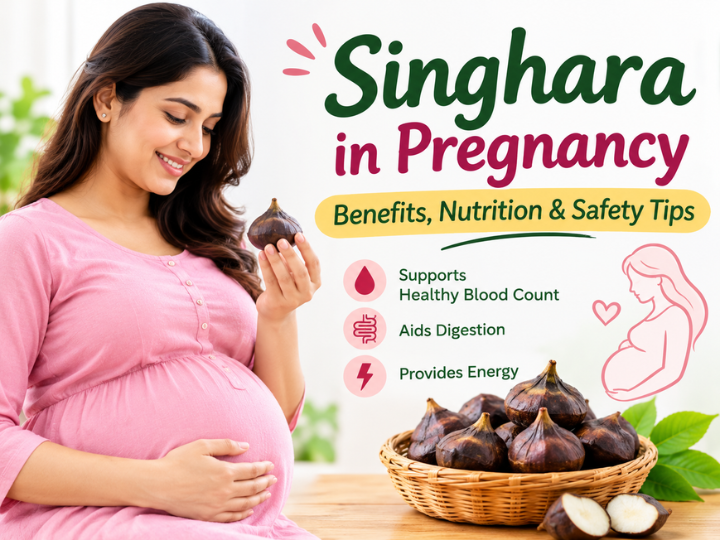
Yes, it is safe to eat singhara during pregnancy provided it is fresh, clean, cooked hygienically, and eaten in moderation. Singhara is an edible food item and a good source of carbohydrates, fiber, potassium, and other vitamins and minerals. It can form a part of the diet along with vegetables, fruits, whole grains, proteins, and dairy items.
Nonetheless, singhara cannot substitute for any other essential food item that is advised during pregnancy. Women suffering from gestational diabetes, kidney issues, or particular dietary problems should seek advice from their doctor about the quantity.
8 Potential Benefits of Eating Singhara During Pregnancy
1. Provides Energy during Pregnancy
During pregnancy, the body’s energy requirements increase, especially as the baby develops. Singhara consists of carbohydrates that act as sources of energy for day-to-day activities. It can be consumed either as a snack or meal depending on individual preferences and nutrition requirements.
2. Supports Digestive Health
Constipation is one problem faced by pregnant women due to hormonal changes, limited physical activities, and iron intake. Singhara has dietary fibre that acts as a source for proper bowel movement. Adequate consumption of dietary fibre, sufficient water intake, and physical activity are some ways to maintain digestive health. Nevertheless, consumption of singhara alone cannot prevent constipation in pregnant women.
3. Provides Potassium
Potassium is a crucial mineral that helps in regulating proper muscle and nervous functions. Singhara has potassium content and can help to add up potassium in the diet.
4. Promotes Hydration
Water chestnut is rich in water content. Consumption of water-based foods can add to fluid intake on a daily basis. Nevertheless, water chestnuts cannot be substituted with drinking safe and sufficient water during the course of pregnancy.
5. Antioxidants
Water chestnuts are naturally rich in plant components, such as antioxidants that can protect cells from oxidative stress. Eating various fruits and vegetables in a balanced diet can provide a variety of antioxidants instead of water chestnuts.
6. Rich Source of Vitamin B6
Various functions are performed by vitamin B6 in the body including metabolism of proteins and normal functioning of the nervous system. Vitamin B6 is present in small amounts in singharas. Hence, they cannot serve as the main source of the vitamin.
7. Suitable for Gluten Free Diet
Singhara is inherently gluten free in nature. Singhare ka atta can be used for making rotis and pancakes. It can serve as an alternative to wheat flour for women who require to maintain gluten-free diets.
8. Provides a Versatile Food Item
Another benefit of singhara is that it has several ways of cooking it.
The food items that can be eaten by pregnant ladies can be:
- Singhara boiled
- Singhara sabzi cooked
- Roti made from singhara flour
- Pancakes made from singhara flour
- Singhara with cooked vegetable dishes
- Select those which suit you.
Singhara In The First Trimester Of Pregnancy
The first trimester of pregnancy is a crucial phase since development of major organs and body systems of the baby takes place during this time. Women often experience nausea, vomiting, loss of appetite, food aversion, etc., during this time. Singhara may be taken in the first trimester if it is tolerated well.
Dietary advantages:
- Carbohydrates source for energy.
- Source of dietary fiber.
- Variety of food.
- Potassium source and other micronutrients in trace amounts.
Preparation tips:
- Eat fresh, well-washed, and cooked singhara.
- Start with smaller quantity if you have nausea.
- Avoid too fried food if it causes acidity/nausea.
- Take with other healthy food items and not as a single food item.
It should be kept in mind that folic acid supplementation is especially important during early pregnancy. It should be supplemented through other means than singhara since it does not contain sufficient folate.
Singhara in Second Trimester
In the second trimester, the baby keeps growing, and the need for proper nutrition becomes significant. While some women have an increased appetite in this period, some women develop constipation or acidity. Singhara can be a part of a nutritious second trimester diet.
Advantages:
- Gives energy due to the presence of carbohydrates.
- Provides some fiber in the diet.
- Provides potassium.
- Adds diversity to pregnancy meals.
Ways to eat it:
- Consume a small amount of boiled singhara.
- Prepare singhara vegetable dish with other vegetables.
- Make a roti using singhara flour.
- Consume it along with a protein rich food like curd, paneer or dal.
Take care about portions, especially if you have gestational diabetes.
Singhara in the Third Trimester of Pregnancy
The third trimester is the last trimester of pregnancy and marks the development of the child along with gaining weight. Constipation, heartburn, bloating, and reduced appetite are some problems that women face during this period.
Singhara can be taken in the third trimester depending on your digestive system requirements.
Advantages of taking Singhara:
- Energy provider.
- Helps in fiber intake.
- Potassium source.
- Used in various food preparations.
- Recommendations for consumption:
- Boiled or light preparation should be preferred.
- Smaller quantities should be eaten if bloating occurs.
- Do not take deep-fried preparations if they cause heartburn.
Ensure the intake of balanced diet with proteins, iron, and other vital components.
How Much Singhara Can One Have While Pregnant?
There is no scientifically determined quantity of singhara that a pregnant woman needs per day. As a guide, a modest portion of about 50–100 g of cooked singhara may be suitable for inclusion in a healthy meal plan for pregnant women.
The amount one needs will depend on:
- Your total carbohydrate needs for the day.
- Your blood sugar level.
- Your appetite and digestive tolerance.
- Other foods in your meal.
- Any special health conditions that may exist.
If you are diabetic while pregnant, consult your nutritionist or physician regarding this carbohydrate-rich food.
Is Singhara Beneficial for Constipation in Pregnancy?
The presence of dietary fiber in Singhara helps maintain proper digestion of food. Thus, it can become one of the many foods rich in fiber in the pregnancy diet. But pregnancy-related constipation can be caused by a number of factors such as hormones, iron pills, lack of physical exercise.
How to maintain good digestive function?
- Consume plenty of fruits and vegetables.
- Consume whole grains and legumes.
- Drink enough fluids.
- Engage in physical activities if it is allowed by your doctor.
- Don't discontinue iron intake without consulting your doctor.
Consult your healthcare provider if constipation persists and is painful.
Precautions Prior to Consumption of Singhara During Pregnancy
Take the following precautions for safe consumption of singhara:
- Buy fresh, hard, and good quality water chestnuts.
- Don’t eat those water chestnuts that have gone bad or have an unpleasant odor or look mouldy or rotten.
- Thoroughly wash them using clean running water before peeling or slicing.
- Consume cooked singhara rather than eating raw water chestnuts when pregnant.
- Use clean knives and utensils to prepare the water chestnuts.
- Properly store peeled or cooked singhara and refrigerate leftovers.
- Use good quality singhara flour from a good brand and keep it in a dry place.
Commonly Asked Questions Regarding Consumption of Singhara in Pregnancy
1. Is it safe to have singhara during pregnancy?
It is safe to have fresh and washed singhara, especially those that are properly cooked. It should be eaten in moderate amounts.
2. Is it okay to consume singhara in the first trimester of pregnancy?
It is okay to consume properly cooked singhara in the first trimester. It cannot substitute the recommended supplements like folic acid.
3. Is it safe to have singhara during the third trimester?
It is safe to have singhara in the third trimester since it provides carbohydrate and some amount of dietary fiber. The quantity can depend on individual needs.
4. Will eating singhara alleviate constipation during pregnancy?
Dietary fiber is known to promote proper functioning of the digestive system. Nevertheless, singhara is not used as a cure for constipation.
5. Can women eat raw singhara during pregnancy?
It is better to avoid raw water chestnuts during pregnancy and to have singhara that is properly cooked. Washing of the product is required prior to cooking.
6. Is singhara atta good during pregnancy?
Singhara atta can be included in pregnancy meals. It is naturally gluten-free and provides carbohydrates. Combine it with protein-rich foods and vegetables for a balanced meal.
7. Can I eat singhara every day during pregnancy?
There is no specific evidence-based daily limit for singhara during pregnancy. It can be eaten regularly in suitable portions if it is well tolerated, but variety in the diet is important.
8. Does singhara help in baby growth?
Singhara provides energy and some nutrients, but there is no evidence that eating singhara specifically improves fetal growth. A balanced diet containing adequate protein, iron, folate, calcium, and other essential nutrients is important for healthy pregnancy development.
9. Can singhara cause weight gain during pregnancy?
Singhara contains calories and carbohydrates, like other foods. Eating it in appropriate portions as part of a balanced diet is generally fine. Pregnancy weight gain depends on overall energy intake, activity, and individual health factors.
10. Is singhara good for gestational diabetes?
Singhara contains carbohydrates and can affect blood glucose levels. Women with gestational diabetes should monitor portion sizes and follow an individualised meal plan recommended by their healthcare professional.
Conclusion
Singhara is an essential seasonal food item that can become a part of the well-balanced diet during pregnancy. Singhara gives one carbohydrates, dietary fiber, potassium, and some other nutrients. It can be consumed boiled, cooked as a vegetable, or even in flour form.
Still, singhara itself can’t provide one with all the needed nutrients during pregnancy nor give particular health benefits for both mother and baby. One should always eat fresh fruits and vegetables, follow food hygiene rules, opt for cooked meals, and eat in right proportions.
For a healthy diet during pregnancy, one should include fruit and vegetables, whole grains, pulses, dairy products, and proper sources of protein in his/her diet.