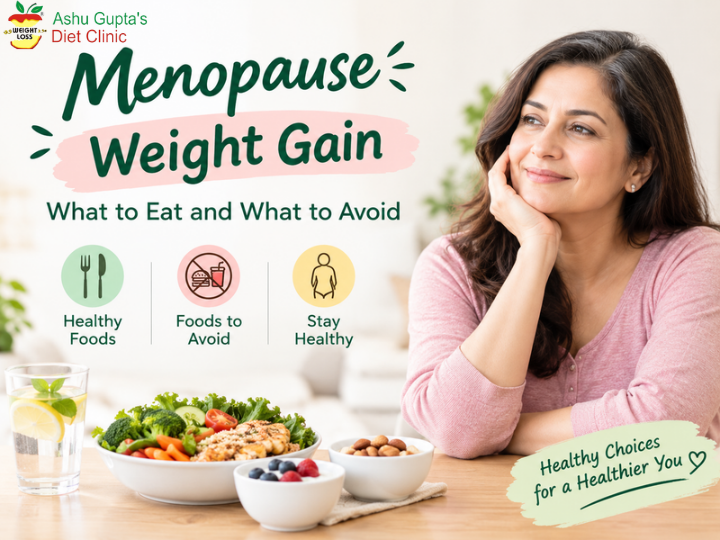
Weight Gain During Menopause: Foods to Consume and Those to Avoid
Menopause is a natural phase of life, where there are many changes in the hormones within a woman’s body. This is usually accompanied by the development of belly fat, body shape changes, lack of energy, and weight gain despite adhering to one’s usual diet plan and exercise program.
Menopause weight gain may be caused by the changes in the hormonal balance, decrease in muscle mass due to aging, sleep disorders, stress, and low level of physical activity.
Despite all the challenges that might arise in connection with such problems, one can still adhere to the balanced diet and healthy lifestyles in order to stay healthy and manage the body weight. So, if you have gained some extra weight during menopause, it is important for you to know what food to consume and which to avoid.
What is Menopause and What Effect Does it Have on Body Weight?
Menopause is the point at which women cease to menstruate indefinitely, typically after 12 months of non-menstruation due to other reasons. It normally takes place during the ages of 45 and 55 years old. The process of moving into menopause is called perimenopause, where the level of estrogen fluctuates and ultimately falls. These changes affect the way body fat is distributed, and extra fat tends to be deposited around the stomach area.
Some other causes for weight gain due to menopause include the following:
Muscle loss: It is quite natural that muscles tend to be lost with age.
Poor sleep: Hot flashes can disturb sleep patterns and affect appetite.
Low levels of physical activity: Changes in activities and levels of energy may lead to reduced activity.
Stress: The effect of stress can lead to changes in eating patterns.
Changes in appetite: Appetite changes are common among some women at this point in life.
Menopause does not necessarily lead to weight gain, but rather the effect of hormonal changes and aging makes it hard to maintain the body weight.
Why Is It So Hard to Lose Weight When Entering Menopause?
Women may find that a combination of diet and exercise, which was effective for them at the age of thirty, will fail when they are forty and fifty years old. First, the body may lose muscle tissue, especially when women stop exercising regularly. Muscle tissue requires energy, so the changes in the body’s composition can have an influence on the total caloric intake of the body.
Moreover, bad sleep and stress levels can contribute to the problem and influence the ability to eat healthy. The answer is not to start a new restrictive diet. The solution is to focus on protein intake, fiber-rich products, physical activity, good sleep, and sustainable nutrition habits.
What to Eat in Menopause to Manage Your Weight
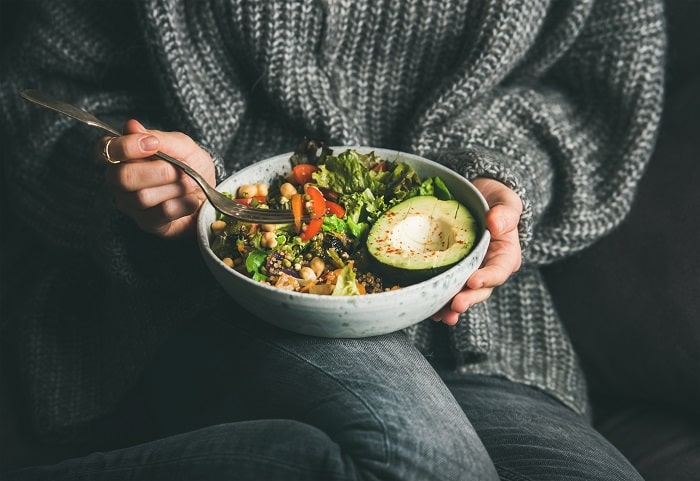
Menopause diet needs to contain a sufficient amount of protein, fiber, good fat, vitamins, minerals along with muscle building, bone-building and heart health benefits.
1. Protein Rich Food
Protein will ensure maintenance of muscle mass as well as aid in recovery, especially in combination with exercise. Protein can also keep you satiated after eating.
Include in your diet:
- Eggs
- Paneer
- Plain Yogurt/Curd
- Milk
- Dal/lentils
- Chickpea/Rajma
- Tofu/Soy
If not vegan, fish and lean chicken as per choice. Try to incorporate proteins in each of your meals and not just eat protein at one meal.
2. Fiber Rich Foods
It will help in digestion, regulate bowels and promote satiety.
Include:
- Oats
- Whole wheat roti
- Barley and other whole grains
- Beans/Dal
- Apples, Pears and Guava
- Leafy greens
- Broccoli/Carrots
- Chia seeds/flax seeds
Gradually increase fiber intake and drink plenty of water in order to minimize risk of bloating and constipation.
3. Calcium Rich Foods
During menopause, there is a depletion of estrogen which leads to bone loss. Calcium intake is thus essential for maintaining bone health.
Include in your diet:
- Milk
- Curd/Yogurt
- Plant milk fortified with calcium
- Calcium-set tofu
- Ragi
- Selected leafy greens
- Sesame seeds
Foods to Avoid or Reduce Intake Of in Menopause
You do not necessarily have to give up your favorite foods in order to keep yourself healthy during menopause. But certain foodstuffs and drinks that you limit intake of can help in keeping a good balance in your diet.
1. Sugary Drinks – Soda drinks, flavored juice, energy drinks, and overly sweet tea or coffee can cause you to consume many calories without filling your body adequately. Go for water and non-sugary drinks more often.
2. Highly Processed Snack Foods – Packaged chips, biscuits, cakes, and other highly processed snack foods could contain too many calories, added sugars, salt or saturated fat content. Try roasted chana, fruits with yoghurt, a small number of nuts, or homemade snacks instead.
3. Excessive Refined Carbohydrate – Products made from refined flour, such as pastries, some biscuits, and white flour products may not be as fiber-rich as whole grain foods. You should not give up carbohydrates totally. Go for whole grain foodstuffs and balanced amounts of carbohydrates more often.
4. Excessive Alcohol – Too much alcohol can contribute to calories and may exacerbate sleep difficulties or hot flashes among women. For those who consume alcohol, it is recommended to reduce your consumption and consult your doctor regarding any health-related issues you may have.
5. Too Much Caffeine – Caffeine has different effects on women. In some cases, coffee, tea, or energy drinks may contribute to poor sleep, anxiety, or hot flashes. If this is your case, then you should consider reducing the amount of caffeine you consume or avoid drinking coffee or similar drinks late in the evening.
6. Too Many High-Calorie Meals – Eating large portions of fried foods, high-calorie desserts, and high-calorie takeaways frequently makes weight loss even harder.
Feel free to eat such meals from time to time if you like them.
Bone-friendly Foods for Women During Menopause
Bone health becomes an important issue during and post-menopause due to the reduced amount of estrogen that leads to bone loss. In addition to consuming foods rich in calcium, one should ensure sufficient intake of proteins and vitamin D. Also, regular physical exercise involving load-bearing actions, such as walking, will help. Women who have osteoporosis risk factors, prior bone fractures, and other health issues need to talk to a health practitioner about their bone health evaluation and treatment options.
Why Opt for Dietician Ashu Gupta to Manage Your Weight?
Management of weight during menopause demands a strategy which addresses nutritional needs and daily routines. A professional dietitian like Ashu Gupta could assist women in developing healthy eating practices. Following a balanced, personalized weight loss diet plan can help you manage portions, maintain muscle, and work toward sustainable weight-management goals.
Frequently Asked Questions
Why do women gain weight during menopause?
Menopause-related weight gain can be influenced by changing estrogen levels, age-related muscle loss, sleep disruption, stress, and reduced physical activity. These factors can also contribute to increased abdominal fat.
What is the best diet for menopause weight loss?
A balanced diet containing adequate protein, vegetables, fruits, whole grains, healthy fats, and calcium-rich foods is a good starting point. Portions should be adjusted to individual nutritional needs and health goals.
How can I reduce belly fat during menopause?
Combine a balanced diet with regular aerobic exercise, strength training, adequate sleep, and stress management. No food, supplement, or exercise can guarantee targeted belly-fat loss.
Which foods should women avoid during menopause?
There is no universal list of foods that every woman must avoid. Limiting sugary drinks, highly processed snacks, excessive alcohol, and foods high in added sugar can support overall health and weight management.
Is weight loss harder after menopause?
Weight management may become more challenging because of changes in body composition, fat distribution, activity levels, and sleep. Sustainable dietary and exercise habits can still support healthy weight management.
Does menopause cause a slow metabolism?
Energy needs can decline with age, partly because muscle mass and physical activity may decrease. Menopause can also influence where fat is stored, but individual experiences vary.
Can I eat roti and rice during menopause?
Yes. Roti and rice can both fit into a balanced diet. Choose suitable portions, favor whole grains when practical, and combine them with vegetables and protein-rich foods.
Should I take supplements for menopause weight gain?
Supplements are not a substitute for a balanced diet and do not reliably treat menopause-related weight gain. Calcium, vitamin D, or other supplements may be appropriate for specific needs, but consult your healthcare professional before starting them.
Does menopause slow down metabolism?
The energy requirements may be reduced due to ageing as well as changes in muscle mass and physical activity level. Menopause affects body fat distribution but there are individual differences.
Am I allowed to have roti and rice during menopause?
It is possible to consume roti and rice as part of a healthy diet. You need to pick an appropriate serving size and select whole grains if possible.
Should I use supplements for menopause weight gain?
Taking supplements is not a replacement for a healthy diet or a treatment for menopause weight gain. Supplements like calcium, vitamin D or others can be necessary but you should discuss it with a healthcare provider.
Conclusion
It may be annoying but there is hope when it comes to weight gain that occurs because of menopause and you can keep yourself in good shape during this period of time by consuming protein, increasing your dietary fiber, consuming a variety of fruits and vegetables, taking care of your bones and leading an active lifestyle.
Do not rely on strict diets and cutting out any particular food from your diet, find the way how to make some changes in your habits and live like this permanently. If you have problems with gaining weight during menopause, nutrition counseling may be the solution for you.
If you need a Dietician in Gurgaon, Dietician Ashu Gupta may help you with finding the right approach to food and your diet plan.