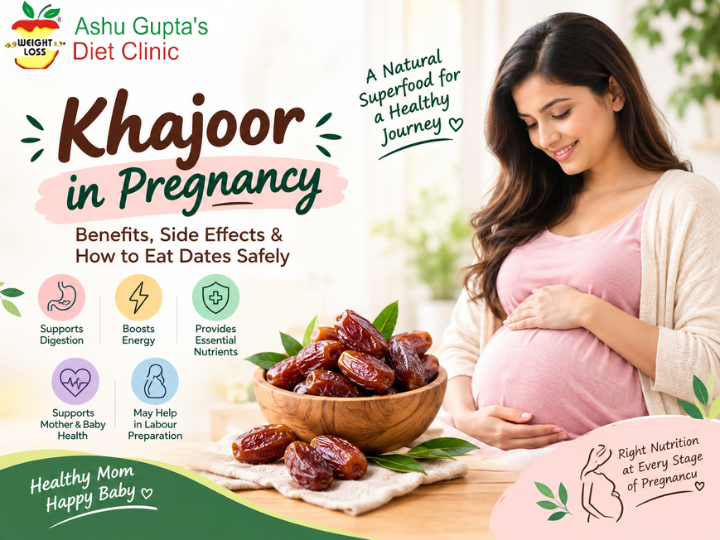
Khajoor in Pregnancy: Benefits, Side Effects, and How to Eat Dates Safely
It is one of those special times in the life of a woman that requires proper nourishment in order to ensure good health for both mother and child.
Khajoor is one of those foods that many pregnant women incorporate into their daily intake as it is rich in natural energy and minerals. It is equally important for the expecting mother to know when and how much of khajoor she can consume. One question that comes up when it comes to khajoor during pregnancy is whether it is safe.
Yes, it is safe but one should remember that every woman is different and her nutritional needs change during pregnancy.
Can Pregnant Women Safely Consume Khajoor?
It is safe for pregnant women to consume dates along with a well-balanced and nutritious diet. The nutrition provided by dates includes carbohydrates, dietary fiber, potassium, and many other vital nutrients essential for normal bodily functions.
These can be consumed either as snacks or incorporated into oatmeal, milk, shakes, and homemade meals. However, dates do have natural sugar content and calories, thus consumption in large amounts may not be advisable for everyone.
Women suffering from gestational diabetes or having high blood sugar levels should seek advice from their physician or dietitian.
Advantages of Consuming Dates During Pregnancy
1. A Natural Source of Energy
Dates have sugars and carbohydrates that act as an energy source. This can be useful in pregnancy since the demand for energy increases during pregnancy.
2. Helps with Digestion
Dates are a good source of fiber, which assists in maintaining healthy bowel habits and managing constipation. Constipation is common in pregnancy due to hormonal, dietary factors, and iron supplements.
3. A Source of Minerals
Dates have minerals like potassium and magnesium that ensure proper muscle and nerve functions. Other micronutrients are also found in small amounts.
4. A Good Fiber Supplement
Fiber plays an important role in digestion, and it makes one feel full after meals.
5. May Assist with Labour Preparedness in Late Stages of Pregnancy
Research shows that consuming dates in late pregnancy stages may be related to some positive effects on the process of labour. However, there is a lack of evidence for this, and further studies are required.
Consumption of dates will not ensure vaginal birth and eliminate the need for medical assistance.
How Many Khajoor Can You Consume during the First Trimester?
There isn’t any one-size-fits-all recommended amount of dates for consumption during the first trimester. A few khajoor may work well as a start for some women based on their dietary intake and glucose level.
Eat the amount that works best for you nutritionally, and consult your doctor if you have diabetes or any other health problem.
Khajoor in Pregnancy Second Trimester
The second trimester typically includes week 13 through 27. During this time, many women find themselves hungrier and need to be more careful about eating healthy.
Advantages of Consuming Dates During the Second Trimester
Dates will help to boost the energy and fiber intake that will benefit digestion. The fruit may also serve as an easy substitute for confectionery foods that contain refined sugar. A healthy snack may consist of one or two dates combined with nuts or yogurt without salt.
Khajoor Consumption during the Third Trimester of Pregnancy
The third trimester starts from week 28 to delivery. The baby's development process becomes more rapid, and the nutritional requirements of the woman remain significant during this period.
Advantages of Eating Dates during the Third Trimester of Pregnancy
Eating dates supplies energy, dietary fibers, and minerals that can enhance the nutrition of pregnant women. The use of dates by the woman during the last trimester of pregnancy has been studied as well.
Will Dates Aid in Preparing Your Body for Childbirth?
Some studies indicate a possible connection between eating dates in late pregnancy and labor preparation or labor characteristics. But currently available evidence does not support these effects on everyone.
Do not use dates to induce labor, self-medicate, or bypass obstetric recommendations and treatment. Always listen to the instructions of your obstetrician, especially if your pregnancy is high-risk.
How Many Dates Should You Eat in the Third Trimester?
There is no standardized number of dates for labor preparation. This number can be larger than the portion size for snacks, and this does not mean it should be consumed by everyone.
Consult your healthcare provider about the right portion size of dates, especially if you have gestational diabetes or a high-risk pregnancy.
How to Eat Khajoor During Pregnancy
Here is how you may include dates in your pregnancy diet.
Eat Dates for a Healthful Snack – You may have one or two dates as a snack, as per your individual requirements. Dates, combined with some nuts or yogurt, provide additional proteins or fats.
Use Dates with Milk, Oatmeal, or Smoothies – Cut dates may give a sweet taste to your oatmeal, unsweetened yogurt, or smoothies. No need to use additional sugar or honey for this purpose.
Mix Dates with Nuts – Dates and unsalted almonds or walnuts form a good combination for snacks. Both of these foods are calorie-rich, thus eat in moderation.
Use Dates in Homemade Foods – In addition, you may add cut dates to porridge, energy balls, or other whole grain foods. Select those recipes which do not include excess sugars.
Timing of Date Intake During Pregnancy: In the Morning or Evening?
No proof is available regarding any beneficial effects of date intake at a specific time during pregnancy. It all depends upon the hunger level, digestion process, routine timing, and blood sugar regulation.
Eating Dates in the Morning – Date consumption can be done as part of your breakfast or as a snack in between the morning. Combining dates with protein food like yoghurt and nuts can help in achieving a well-balanced diet.
Eating Dates at Night – The intake of dates at the evening time can be done according to the dietary preferences of yours. However, its high intake in the evening may lead to digestion problems for some individuals.
When Should You Avoid Eating Dates?
There is no universally required time to avoid dates during pregnancy. If you notice discomfort after eating them, reduce the portion or change the timing. Women monitoring blood sugar should follow their individualized meal plan.
Side Effects of Dates in Pregnancy
Dates are generally safe for most pregnant women, but consuming large quantities may cause some problems.
1. Increased Sugar and Calorie Intake – Dates contain natural sugars and calories. Eating large quantities can increase overall carbohydrate and energy intake, which may be a concern for women managing blood sugar or pregnancy-related weight gain.
2. Bloating and Digestive Discomfort – A sudden increase in fiber intake may cause gas, bloating, or abdominal discomfort. Increase fiber gradually and drink enough water.
3. Possible Blood Sugar Spikes – Dates contain carbohydrates that can raise blood glucose levels. The effect depends on portion size, the rest of the meal, and individual glucose regulation. Women with gestational diabetes should not assume that natural sugar is automatically safe in unlimited amounts.
4. Allergic Reactions – Although uncommon, some individuals may have an allergy or sensitivity to dates. Stop eating them and seek appropriate medical advice if you experience a suspected reaction.
Pregnancy Dates and Normal Delivery: What Do the Scientific Sources Claim?
Dates have long been recommended traditionally during the final weeks of pregnancy due to the scientific studies that investigate the potential effects of dates on labour.
Although some scientific studies have claimed connections between date intake during late pregnancy and cervix dilatation, time of labour, or necessity of certain intervention, the studies differ in their reliability and methods used, and results are inconclusive.
It is necessary to understand that:
• Dates do not guarantee normal delivery.
• Consumption of dates is not a substitute for prenatal visits.
• There is no specific amount that guarantees natural initiation of labour.
The women whose pregnancies are at high risk should ask a doctor for advice concerning the diet for labour preparation. Labour delivery depends on many different factors, including the condition of the mother and fetus, as well as labour itself.
Who Should Limit Intake of Dates While Pregnant?
There are some pregnant women that will have to control their intake of dates.
This can apply to pregnant women who:
• Suffer from gestational diabetes
• Have high blood sugar levels
• Are required to control their carbohydrate intake
• Have digestion problems when they take dates
• Have special dietary needs recommended by their health care providers
Pregnant women suffering from the above disorders need not necessarily stop taking dates. Rather, their consumption must be adjusted depending on medical advice.
FAQ on Khajoor for Pregnant Women
1. Are Dates Safe During the First Month of Pregnancy?
Yes, dates are safe to have in small quantities during the first month of a normal pregnancy. They offer nutrition, fiber, and energy but need to be consumed as part of a balanced diet.
2. Can I Have Dates Daily During Pregnancy?
It is possible for most pregnant women to have dates on a daily basis if the quantity is in line with their dietary needs. Women suffering from gestational diabetes need to consult with their physician regarding consumption.
3. Does Having Dates Aid in Normal Delivery?
Studies show that consuming dates regularly towards the end of pregnancy is linked with some effects of labour, but this does not guarantee vaginal birth.
4. Can Diabetic Pregnant Women Have Dates?
The reason being, dates have natural sugar content and therefore impact blood glucose levels. Some women may be able to have small quantities in moderation according to an individualized plan of action but under the supervision of their physician/dietician.
6. When Is It Better to Have Dates: Morning or Evening?
There isn't any scientifically proven ideal time to eat dates. Just pick a time which suits your routine and digestive
7. Does Consuming Dates Lead to Excessive Fetal Weight in Pregnancy?
Moderate consumption of khajoor in the framework of proper nutrition cannot lead to an increased weight of the fetus. The overall state of health, level of blood glucose and other aspects are more significant.
8. Does Consuming Dates Cause Miscarriage?
There is no proof of the negative impact of moderate consumption of dates on pregnancy. In case of the presence of certain problems, it is necessary to talk with the doctor about the peculiarities of nutrition.
Conclusion
Consumption of dates is rather useful and can provide additional benefits to the pregnant woman since it contains natural energy, fibers and minerals. It is important to eat dates in appropriate amounts regardless of the trimester of pregnancy.
Dates may bring some benefits at the end of pregnancy but they do not affect the normal delivery. Pregnant women with some disorders should contact a specialist to get appropriate recommendations regarding the nutritional needs. In case of questions related to pregnancy nutrition, it is recommended to contact a registered nutritionist and the doctor.
For personalized pregnancy nutrition guidance and a balanced diet plan tailored to your needs, consult an experienced Dietician in Gurgaon who can help you make informed food choices for a healthy pregnancy.

.jpg)