How Much Protein Do You Need for Weight Loss
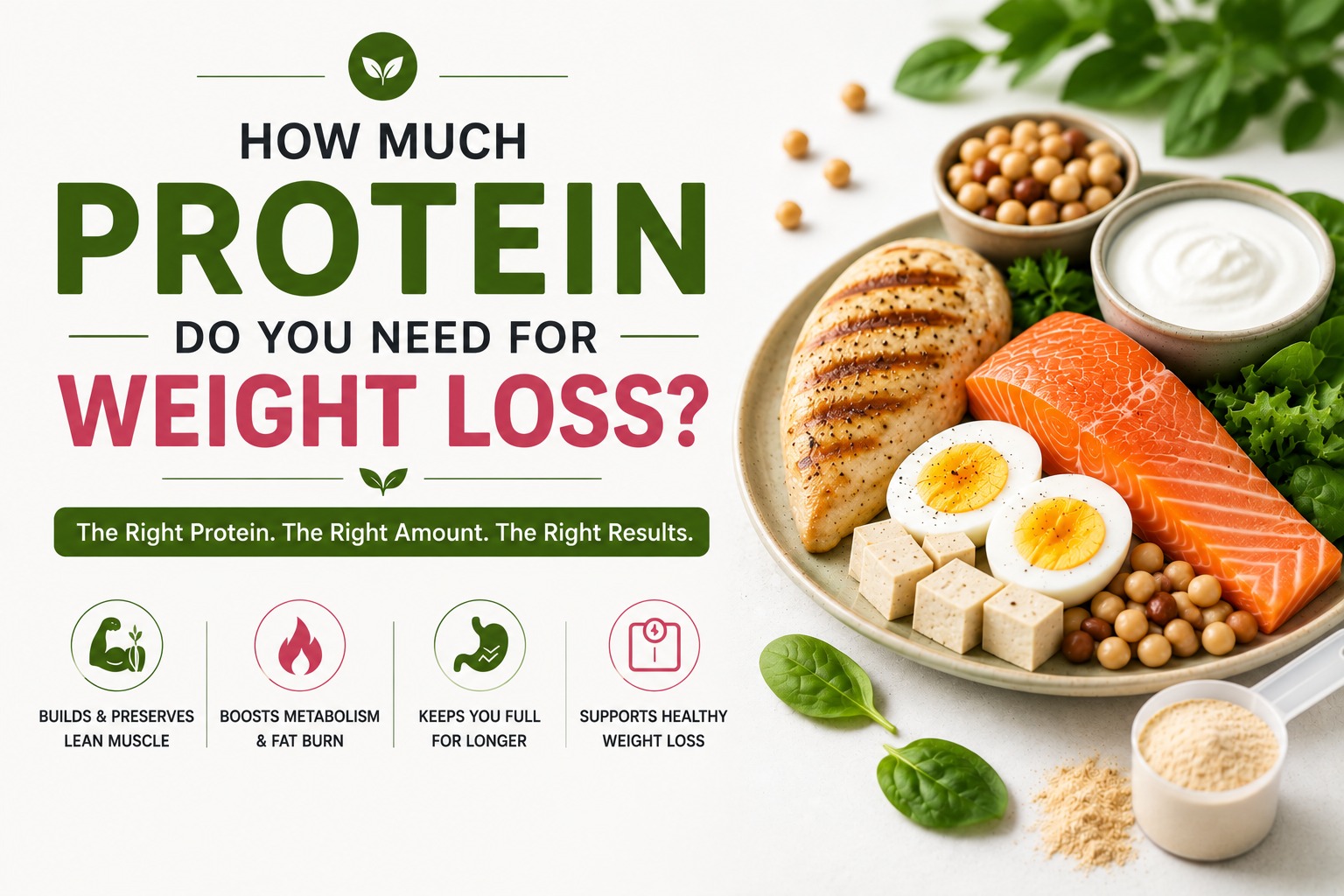
The main priority of people when losing weight is always cutting down calories or eliminating fat or carbohydrates from their diets. But there is a major factor which is often neglected, namely protein. Protein helps in maintaining muscle tissue, increasing metabolism, curbing hunger, and achieving effective weight loss.
A lot of people have difficulty losing weight even though they eat less because they do not take in sufficient amounts of protein. A high-protein diet will ensure that you stay full for longer periods and keep you from craving foods. One of the best dieticians in Gurgaon, Dietician Ashu Gupta believes that proper protein consumption is one of the vital requirements for weight loss.
Here you will find out how much protein you should consume for weight loss, which are the best protein sources and how to consume proteins daily.
What is Protein?
Protein is one of the important macronutrients composed of amino acids and are responsible for tissue building and repair in the body.
Functions of protein include:
- Building muscle
- Repairing body tissues
- Immune function
- Hormone and enzyme production
- Skin and hair health
- Metabolism
However, unlike fat and carbohydrates, protein requires more energy to digest due to its thermic effect.
The Importance of Protein in Weight Loss
1. Curbs Hunger and Cravings
Protein boosts the secretion of satiety hormones while decreasing hunger hormones.
These are some of the benefits:
• Increased feeling of fullness
• Less snacking
• Improved appetite control
• Curbs unhealthy food cravings
All these contribute to reducing caloric intake naturally.
2. Assists in Maintaining Muscle While Losing Weight
Individuals who reduce their weight quickly using crash diets tend to lose not only fat but also muscle.
Protein consumption assists in:
- Maintenance of muscle
- Improving body composition
- Maintenance of strength
- Long-term metabolism
3. Boosts Metabolism
Proteins take more energy for digestion than other food types such as fats and carbohydrates.
In this case,
- Calorie burning while digesting
- Improved metabolism
- Ability to burn fat
4. Helps to Recover Fast
Individuals who work out require enough proteins to recover quickly.
This is because proteins help one:
- Muscle repair
- To relieve soreness
- Enhance workout performances
How much protein do you need to lose weight?
The protein requirement differs based on:
- Age
- Sex
- Weight
- Physical activity
- Health status
- Weight loss objectives
- Protein Requirements
- Sedentary adults
Best Sources of Proteins for Losing Weight
Sources of Proteins from Vegetables
Paneer Advantages:
- Protein
- Leaves you feeling full
- Helps build muscles
- Greek Yogurt
Contains:
- Protein
- Calcium
- Probiotics
Promotes digestion and satiety.
Lentils & Dal – Contains:
Good for vegetarians looking to lose weight
Chickpeas (Chana) Benefits:
• High protein
• High fiber
• Supports blood sugar control
Soy Products Examples:
• Tofu
• Soy chunks
• Soy milk
Excellent plant-based protein options.
Quinoa Contains:
• Protein
• Fiber
• Essential amino acids
A nutritious grain alternative.
Non-Vegetarian Protein Foods
Eggs – Considered one of the most complete sources of proteins.
Advantages:
- Protein is of high quality
- Economical
- Easy to cook
- Chicken Breast
- Lean meat and low on fat.
Best for:
- Weight loss
- Maintaining muscles
Fish : High in –
- Proteins
- Omega-3 Fatty Acids
High Protein Indian Foods for Weight Loss
Some excellent Indian protein-rich foods include:
• Moong dal
• Chana dal
• Rajma
• Black chana
• Paneer
• Milk
• Curd
• Tofu
• Soy chunks
• Eggs
• Chicken
• Fish
• Sprouts
Including these foods regularly can help improve protein intake naturally.
Signs You Are Not Getting Enough Protein
Common symptoms include:
• Frequent hunger
• Fatigue
• Hair fall
• Slow recovery after workouts
• Muscle loss
• Weakness
• Poor concentration
If these symptoms persist, your protein intake may need improvement.
FAQs
How much protein should I consume per day for losing weight?
A majority of individuals who are trying to lose weight need to consume between 1.2 – 2 grams of protein per kilogram of body weight.
Is protein consumption good for losing belly fat?
Yes. It helps reduce hunger, maintain muscle mass, and promote fat loss, even the loss of belly fat.
Which protein is best for vegetarians?
Some of the proteins that vegetarians can consume include paneer, tofu, soy chunks, lentils, chickpeas, sprouts, and Greek yogurt.
Can I lose weight without having to increase protein consumption?
Yes. However, having sufficient amount of protein would make it easier by reducing hunger levels.
Is whey protein essential for weight loss?
No. There is no need for taking whey protein as you can consume proteins from other whole foods.


.jpg)