Complete Guide to Better Hormonal Health by Dietician Ashu Gupta
Hormones are chemical messengers that control many important functions in the body, including metabolism, weight management, mood, sleep, energy levels, reproductive health, and digestion. When hormones become imbalanced, the body may start showing symptoms that affect daily life and overall well-being.
Hormonal imbalance is increasing due to various causes, including stress, bad dietary practices, absence of exercise, lack of sleep, and the environment.
Hormonal imbalances occur in many women during puberty, pregnancy, post-delivery, peri-menopause, and menopause. PCOS, thyroid problems, and insulin resistance are some of the medical conditions that can cause hormonal imbalance. However, the positive side is that there is no need for medications to correct any hormonal problem because natural ways like nutrition and healthy living can help to solve them. One of the best dietitians of Gurgaon, Ashu Gupta says that healthy lifestyles help significantly to maintain hormonal balance.
What is Hormonal Imbalance?
A hormonal imbalance happens when there is either an excess or deficiency of hormones in the body’s system. Despite small variations of hormones, they play vital roles in the body.
The common hormones that could be involved are:
- Estrogen
- Progesterone
- Insulin
- Cortisol
- Thyroid Hormones
- Testosterone
As a result, different problems might arise due to their malfunctioning.
Common Symptoms of Hormonal Imbalance
Recognizing the symptoms early can help prevent long-term health complications.
Physical Symptoms
• Unexplained weight gain
• Difficulty losing weight
• Fatigue and low energy
• Hair fall or thinning hair
• Acne and skin issues
• Irregular periods
• Excess facial hair
• Bloating
Emotional Symptoms
• Mood swings
• Anxiety
• Irritability
• Depression
• Difficulty concentrating
Sleep-Related Symptoms
• Insomnia
• Poor sleep quality
• Frequent nighttime waking
Major Causes of Hormonal Imbalance
Poor Nutrition - Processed foods, too much sugar, and unhealthy fat may lead to problems with hormone and insulin functioning.
Chronic Stress - The stress hormone, cortisol, may inhibit the functioning of reproductive hormones and metabolism.
Sleep Deprivation - Lack of adequate sleep is known to affect hormones that regulate metabolism and energy balance.
Physical Inactivity - Lack of sufficient physical activity is another common cause of metabolic syndrome.
PCOS and Hypothyroidism - Hormonal imbalances due to diseases such as PCOS and hypothyroidism are common.
Deficiencies - Vitamin and mineral deficiencies have adverse effects on hormone function.
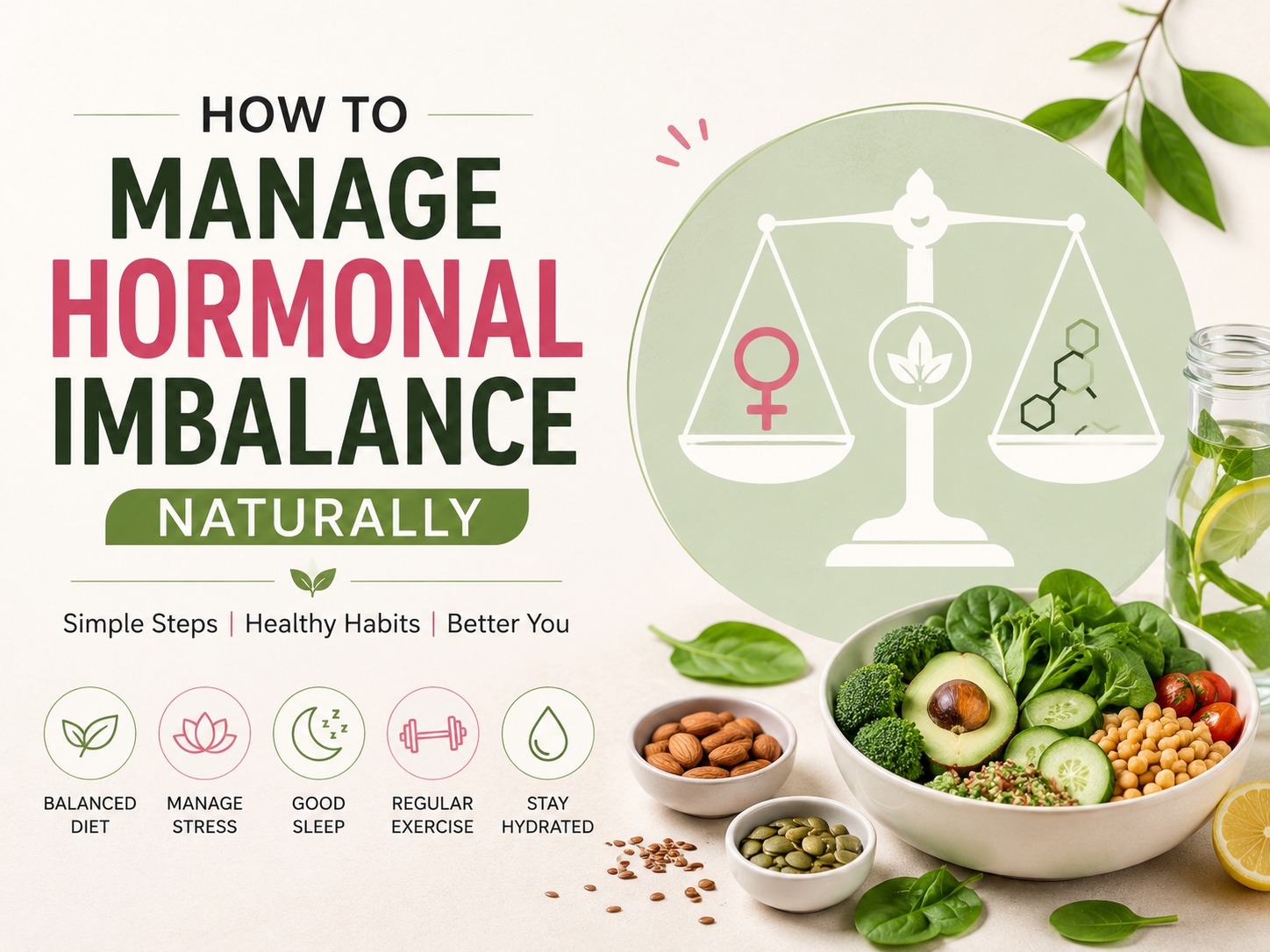
How to Manage Hormonal Imbalance Naturally
Maintain a Proper Diet
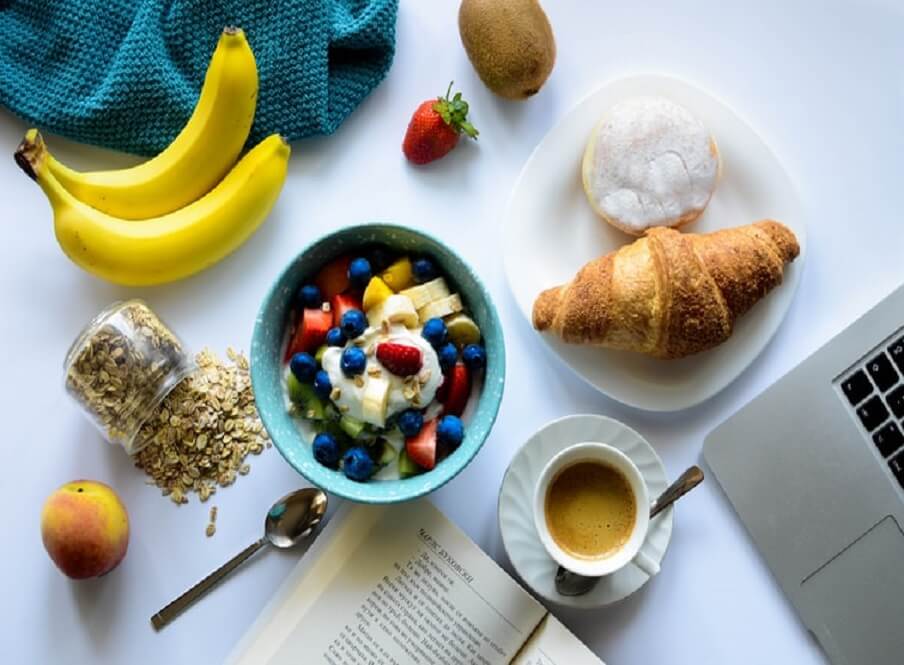
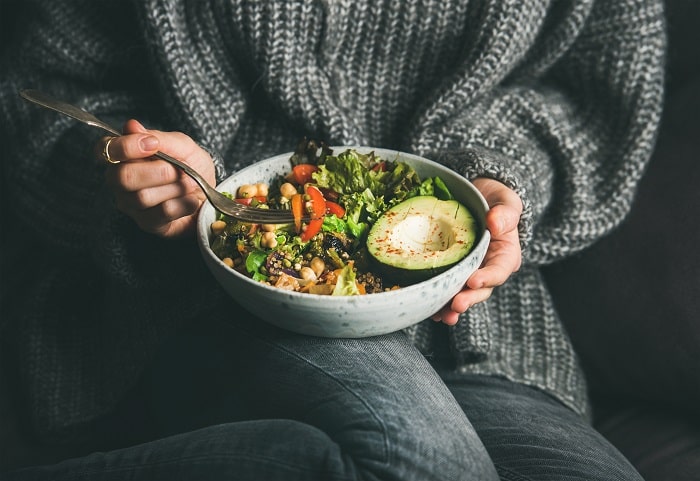
Nutrition is one of the key ways to regulate hormones. Include these foods in your regular diet
- Green veggies
- Fruit
- Whole grains
- Protein
- Good fats
- Seeds
This proper diet will keep your blood sugar levels balanced and help produce hormones.
Incorporate Protein to Your Diet
It offers amino acids that are crucial for hormone synthesis.
Sources of protein:
- Eggs
- Paneer
- Greek yogurt
- Lentils
- Chickpeas
- Fish
- Chicken
The intake of protein can help curb hunger and regulate metabolic rate.
Healthy Fats to Eat
Hormones are made out of fat. It is important to consume healthy fats in order to have healthy hormones.
Foods:
- Almonds
- Walnuts
- Flaxseeds
- Chia seeds
- Avocados
- Olive oil
Keep Your Blood Sugar Levels Constant
Fluctuations in your blood sugar levels may aggravate any existing imbalance in your hormones, particularly in case of PCOS.
Suggestions:
- Do not drink too much sugary beverages
- Consume less processed food
- Balance your meals
- Consume protein in each of your meals
Regular Exercise
Exercise regulates your hormones in a natural way. Some benefits are:
- Insulin sensitivity increases.
- Metabolism is improved.
- Stress decreases.
- It aids in weight control.
- It improves your mood.
- Try to exercise for at least 30-45 minutes daily.
Sleep Well!
Hormones rely on sleep to function effectively. How to Sleep Better:
- Go to bed at a set time
- Don’t watch TV or use computers close to bedtime
- Drink fewer caffeinated beverages
- Establish a soothing pre-sleep ritual
Adults need 7-9 hours of good sleep per night.
Stress Management
High amounts of stress can greatly impact your hormones. Some ways to reduce stress include:
- Meditation
- Deep Breathing
- Yoga
- Taking walks in nature
- Writing
These methods can help keep your body healthier.
Best Foods for Hormonal Balance
Flaxseeds – Rich in omega-3 fatty acids and lignans that support hormonal health.
Leafy Green Vegetables – Provide essential vitamins and minerals needed for hormone production.
Berries – Rich in antioxidants that help reduce inflammation.
Nuts and Seeds – Support healthy hormone synthesis.
Fatty Fish – Contains omega-3 fatty acids that promote hormonal balance.
Amla – Supports metabolism and reduces oxidative stress.
Foods that Should Be Avoided Due to Hormonal Imbalance
Avoid these food items:
- Beverages containing sugar
- Sweet foods in large quantities
- Food items made with refined flours
- Deep-fried foods
- Highly processed snacks
- Alcohol in excess
These foods may worsen inflammation and hormonal fluctuations.
Weight Gain and Hormonal Imbalance
Hormone imbalances can be one of the major causes of weight gain for women. These hormones affect:
- Hunger
- Fat deposits
- Metabolism
- Energy
If hormones are treated well, then weight loss becomes much easier.
Remedies to Help in Maintaining Hormonal Balance
Sunlight in the Morning – It promotes hormonal balance.
Herbal Tea – Certain types of herbal tea can aid in relaxing and alleviating stress.
Strengthening Workouts – Improves metabolic function and sensitivity to insulin.
Frequently Asked Questions (FAQs)
Q – What are the initial symptoms of hormonal imbalance?
A – Some of the common initial symptoms may be fatigue, irregular menstrual cycles, weight gain, breakouts, hair fall, mood fluctuations, and insomnia.
Q – Does hormonal imbalance lead to weight gain?
A – Yes. The imbalances can lead to a sluggish metabolism, increased cravings, and fat deposits.
Q – How long does it take to restore the balance naturally?
A – It depends on the cause, but usually within weeks or months from the time of making certain lifestyle changes.
Q – What foods help restore hormonal balance naturally?
A – Foods such as flaxseeds, green vegetables, nuts, seeds, good fats, fruits, and proteins can help.
Q – Does stress lead to hormonal imbalance?
A – Yes. Chronic stress raises the cortisol hormone, thereby affecting reproductive hormones and metabolism.
Q – Why is physical activity recommended for maintaining hormonal balance?
A – Exercise plays a significant role in balancing insulin and helps in managing weight.
Q – Should I consult a dietician for hormonal imbalance?
A – Yes. A qualified dietician can create a personalized plan based on your symptoms, lifestyle, and health goals.

.jpg)