

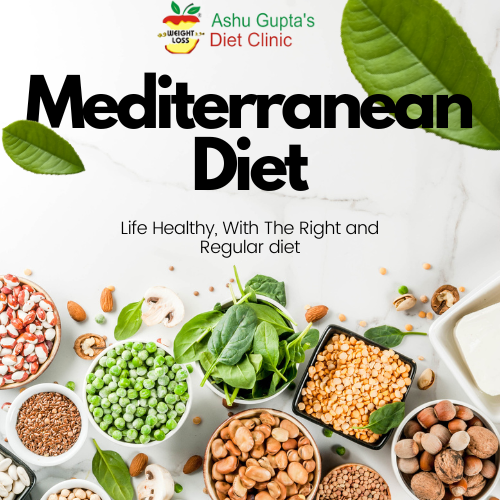
The Mediterranean diet is a dietary pattern based on the typical eating patterns of people in Mediterranean Sea-bordering nations such as Italy, Greece, and Spain.
It is well-known for its health benefits, especially in lowering the risk of heart disease, stroke, and some other problems. The diet focuses on entire meals, healthy fats, and a diversity of plant-based ingredients.
The Important Parts of the Mediterranean Diet
Fruits & Vegetables: A diverse diet is suggested. These contain vital vitamins, minerals, and antioxidants.
Whole grains, including wheat, barley, oats, and brown rice, are staples. These grains are consumed unprocessed.
Healthy Fats: Olive oil is the main source of fat, replacing other fats and oils. Nuts and seeds also help to healthy fat consumption.
Legumes: Beans, lentils, and chickpeas are common protein and fiber sources in meals.
Fish and seafood: Fish, particularly fatty fish such as salmon, sardines, and mackerel, are commonly consumed and contain omega-3 fatty acids.
Moderate Dairy: Dairy products, particularly cheese and yogurt, are consumed in moderation. Poultry and eggs are included, but in smaller proportions than the other protein sources.
Red meat: consumption is limited and typically reserved for rare occasions.
Wine: Red wine is consumed in moderation, typically with meals.
Herbs and Spices: Instead of salt, meals are seasoned with herbs and spices such as basil, oregano, rosemary, and garlic.

Health Benefits:
Heart Health: The diet is high in monounsaturated fats, fiber, and antioxidants, which help to improve cardiovascular health by lowering bad cholesterol and inflammation.
Weight Management: High fiber content promotes a sense of fullness and reduces overeating.
Diabetes Control: Emphasis on whole grains, veggies, and healthy fats aids in blood sugar management.
Longevity: The Mediterranean diet's full nutrient composition has been linked to a higher life expectancy, according to studies.
Reduced Cancer Risk: The diet's high antioxidant content from fruits, vegetables, and olive oil can help lower the risk of certain malignancies.
Tips for Adopting a Mediterranean Diet
Cook at Home: Cooking meals at home with fresh ingredients gives you more control over what goes into your food.
Shop Smart: Choose fresh produce, healthy grains, and lean proteins. Avoid manufactured and prepackaged foods.
Eat Mindfully: Enjoy meals with family and friends, relishing every bite.
Stay Active: Supplement your diet with frequent physical activity, which is an essential component of the Mediterranean lifestyle.
Adopting the Mediterranean diet entails not only changing your eating habits, but also embracing a lifestyle that prioritizes the pleasure of eating, social interactions, and physical well-being.



Your Insight & Reviews (0)
No reviews yet. Be the first to share your thoughts on this article!
Leave a Comment or Review